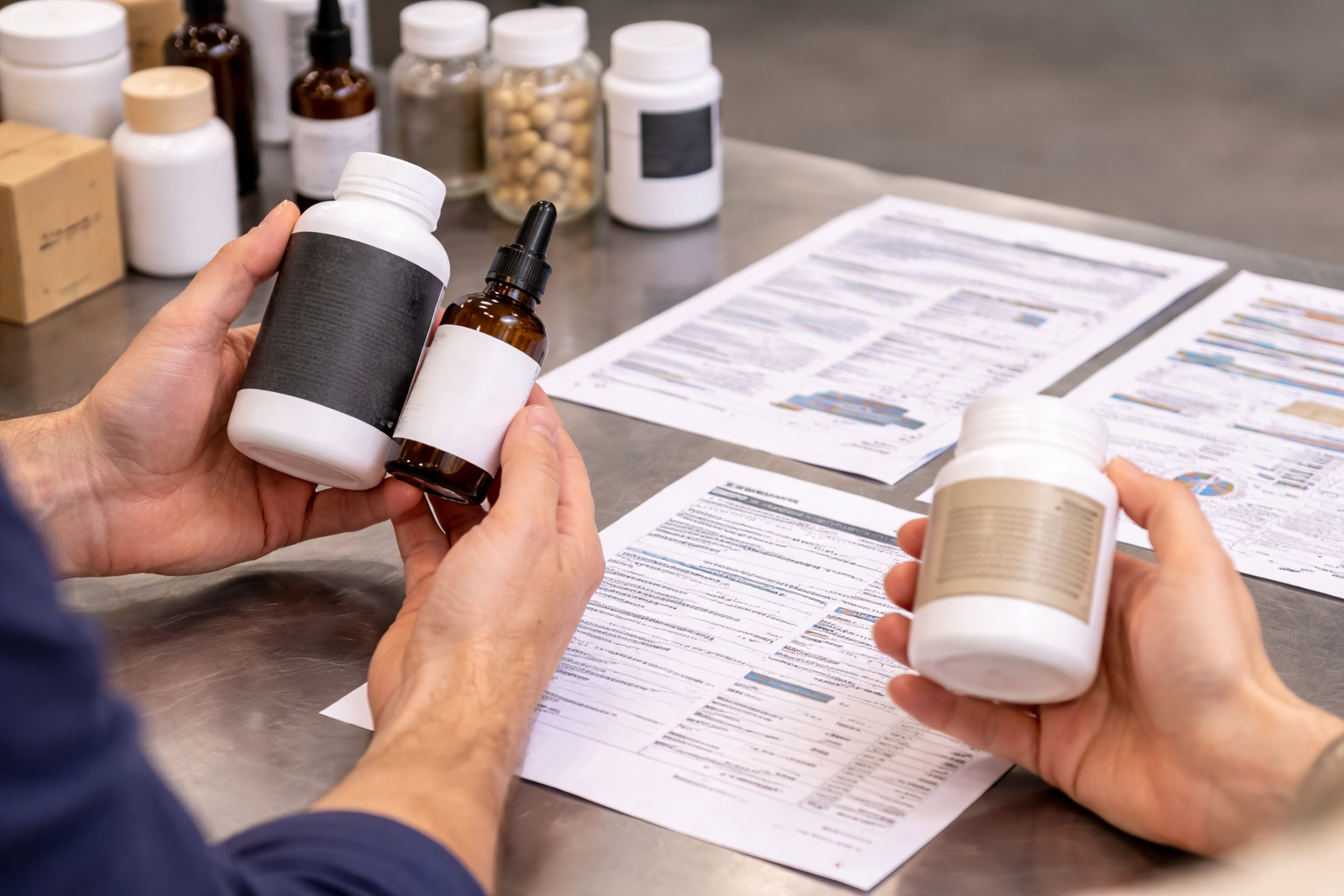
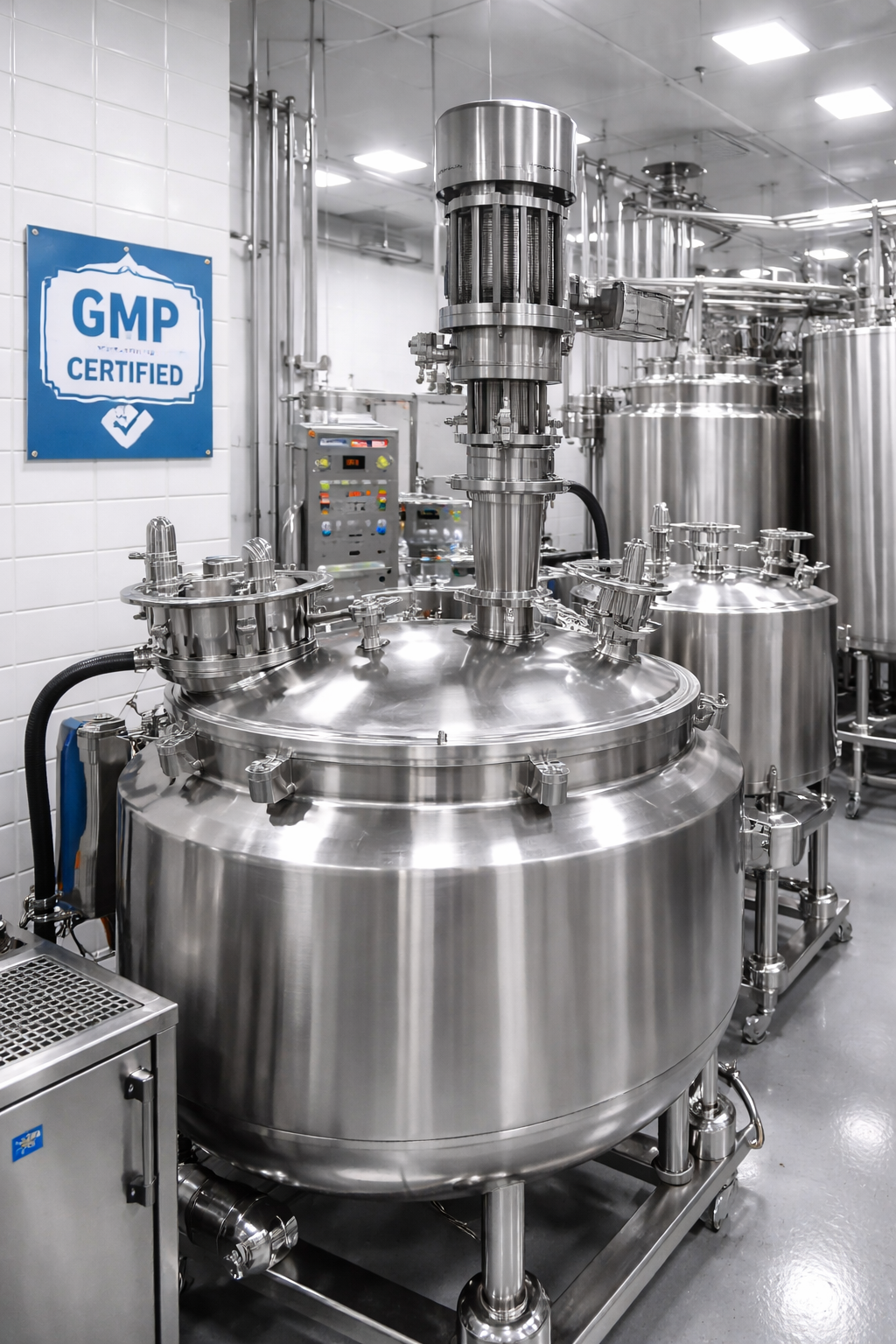
Custom Manufacturing vs Co Packing: Which Model Fits Your Brand Stage
This article is written for brands evaluating whether custom manufacturing or co packing better aligns with their current stage of growth. It outlines how each model operates, the operational tradeoffs involved, and where misalignment commonly occurs as brands scale. The content helps decision makers assess manufacturing fit based on internal capabilities, product complexity, and long term planning rather than surface level pricing. It is intended to support operational clarity before engaging manufacturing partners.
Share this post
Brands evaluating production partners often frame the decision as a pricing or speed comparison. In practice, the choice between custom manufacturing and co packing reflects deeper operational priorities tied to brand stage, internal capabilities, and long term growth plans.
This decision typically emerges after early traction, when teams must balance execution efficiency with control over formulation, supply chain, and differentiation.
Where brands typically are in the buying process
At this stage, the product has market validation and repeat demand. Internal teams are no longer testing whether the SKU can sell but are evaluating how production choices will impact margin, flexibility, and scalability.
The decision is less about launching quickly and more about selecting an operating model that aligns with future complexity, including additional SKUs, evolving formulations, and expanded channels.
How co packing models typically operate
Co packing is designed around efficiency and standardization. Brands provide a finished formula or sourced bulk product, and the co packer focuses on filling, labeling, and packaging at scale.
This model works well for brands with stable formulations, predictable volumes, and minimal need for iteration. It reduces operational burden by offloading production logistics while keeping internal teams focused on sales and distribution.
However, co packing environments are optimized for repetition. Change requests, formulation adjustments, or packaging variations often introduce delays or added cost because they disrupt established workflows.
How custom manufacturing models differ
Custom manufacturing integrates formulation, sourcing, production, and packaging within a single operating framework. Rather than executing against a fixed input, the manufacturer collaborates on how the product is built, adjusted, and scaled.
This model supports brands that expect ongoing iteration, whether through refining formulations, introducing line extensions, or adapting to regulatory or market feedback. It also provides greater visibility into ingredient sourcing, specifications, and production controls.
Custom manufacturing typically requires deeper upfront engagement but offers more flexibility as product complexity increases.
Operational tradeoffs brands often underestimate
Brands frequently underestimate how quickly operational needs evolve. A co packing relationship that works well for a single SKU may become restrictive when adding new formats or adjusting ingredient profiles.
Similarly, brands entering custom manufacturing without internal alignment can struggle if decision making processes are slow or requirements are unclear. The added flexibility of custom manufacturing only creates value when the brand is prepared to engage collaboratively.
Operational maturity, not just order volume, determines which model creates less friction.
How brand stage influences the right fit
Early stage brands with locked formulations and narrow product focus often benefit from co packing simplicity. The model minimizes coordination and supports rapid fulfillment once demand stabilizes.
Growth stage brands introducing differentiation through formulation, delivery format, or ingredient sourcing typically outgrow co packing constraints. At this stage, custom manufacturing enables control over variables that directly affect brand positioning and margin structure.
Later stage brands often reassess both models through the lens of risk management, redundancy, and supply chain resilience rather than speed alone.
Closing perspective for operational decision makers
The choice between custom manufacturing and co packing is not permanent. It reflects where a brand is today and how it expects to evolve.
Brands that align manufacturing models with their current operating reality reduce internal strain and avoid forced transitions later. The most effective decisions are grounded in clarity about product roadmap, internal capabilities, and tolerance for operational complexity rather than short term cost comparisons.
Share this post
Latest posts
Expert insights on private label and custom manufacturing for brands planning their next product launch or scale up.