Why GMP Certification Matters When Evaluating Manufacturers in 2025
GMP certification has become a baseline requirement for brands evaluating manufacturing partners in 2025. This article outlines how buyers use GMP compliance to assess quality systems, documentation, and operational readiness.
Share this post
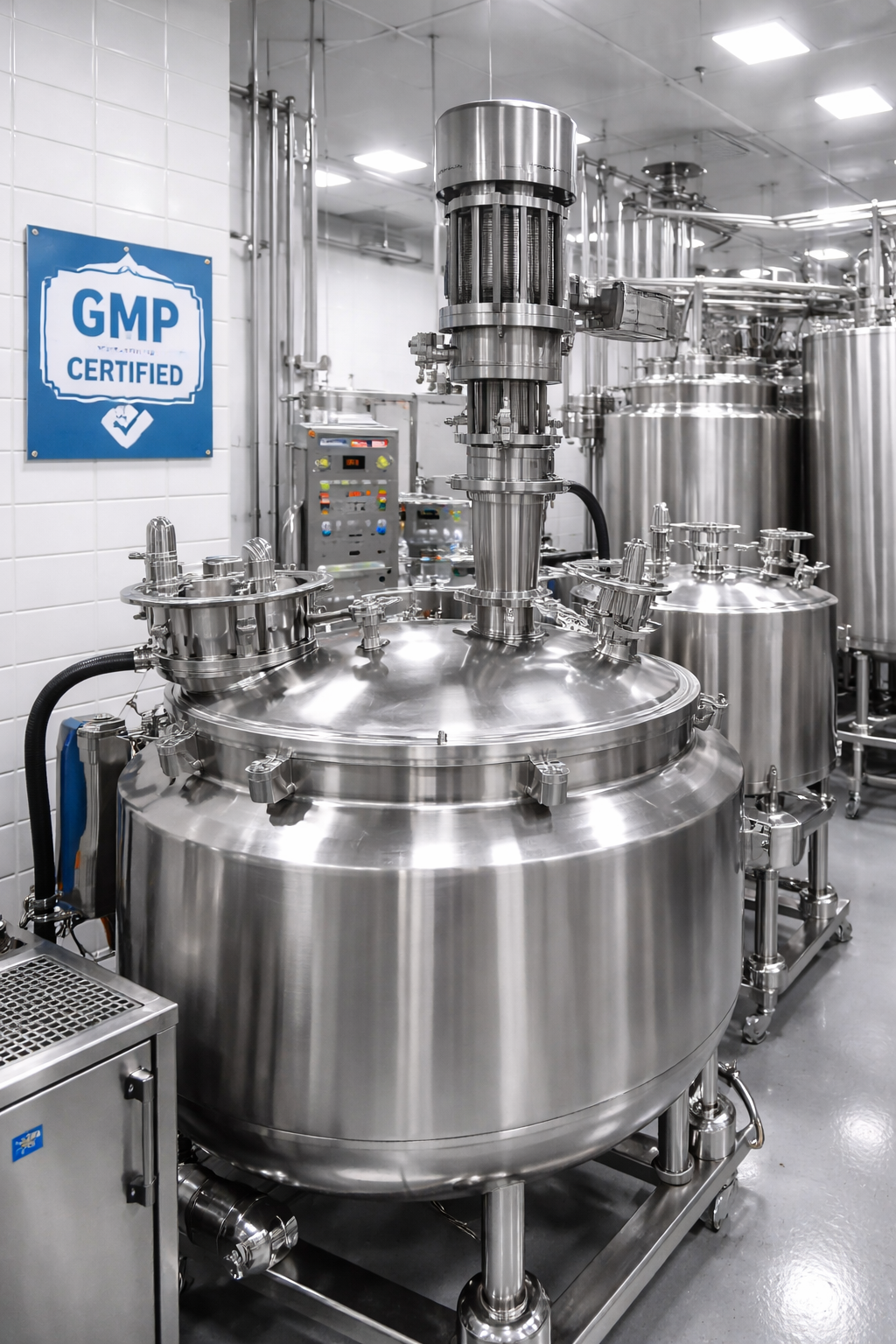
Brands evaluating manufacturing partners in 2025 are operating in a materially different environment than even a few years ago. Regulatory scrutiny has increased, retailer requirements have tightened, and buyers are less tolerant of operational risk. As a result, GMP certification has shifted from a secondary consideration to a baseline filter in manufacturer selection.
For brands sourcing custom serums, oils, and other liquid products, GMP status is no longer just a compliance checkbox. It directly affects production reliability, documentation quality, and long term scalability. Manufacturers without established GMP systems increasingly introduce friction later in the sourcing process, often after timelines and budgets are already committed.
How buyers interpret GMP certification today
In 2025, GMP certification is widely used by buyers as a signal of operational maturity rather than a guarantee of quality. Brands understand that certification alone does not ensure a good partnership, but the absence of it often raises immediate concerns around process control and consistency.
Buyers typically use GMP status to narrow the field early, especially when evaluating US based manufacturers. It helps eliminate partners that may struggle to meet retailer, distributor, or internal quality expectations as volumes scale.
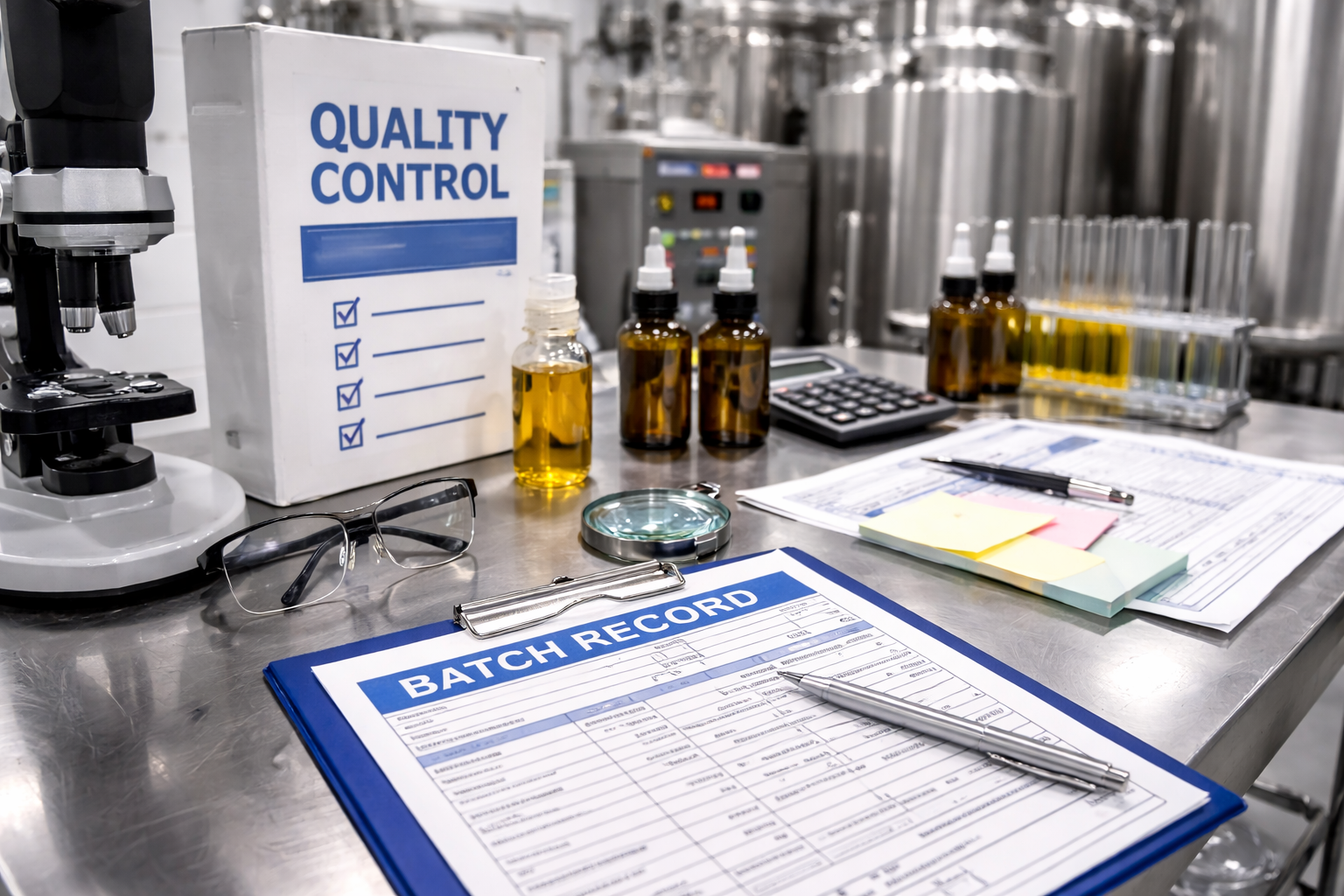
Quality control workstation in lab
What GMP actually governs in practice
GMP systems govern how products are made, documented, reviewed, and released. This includes batch records, raw material handling, equipment validation, cleaning procedures, and deviation management.
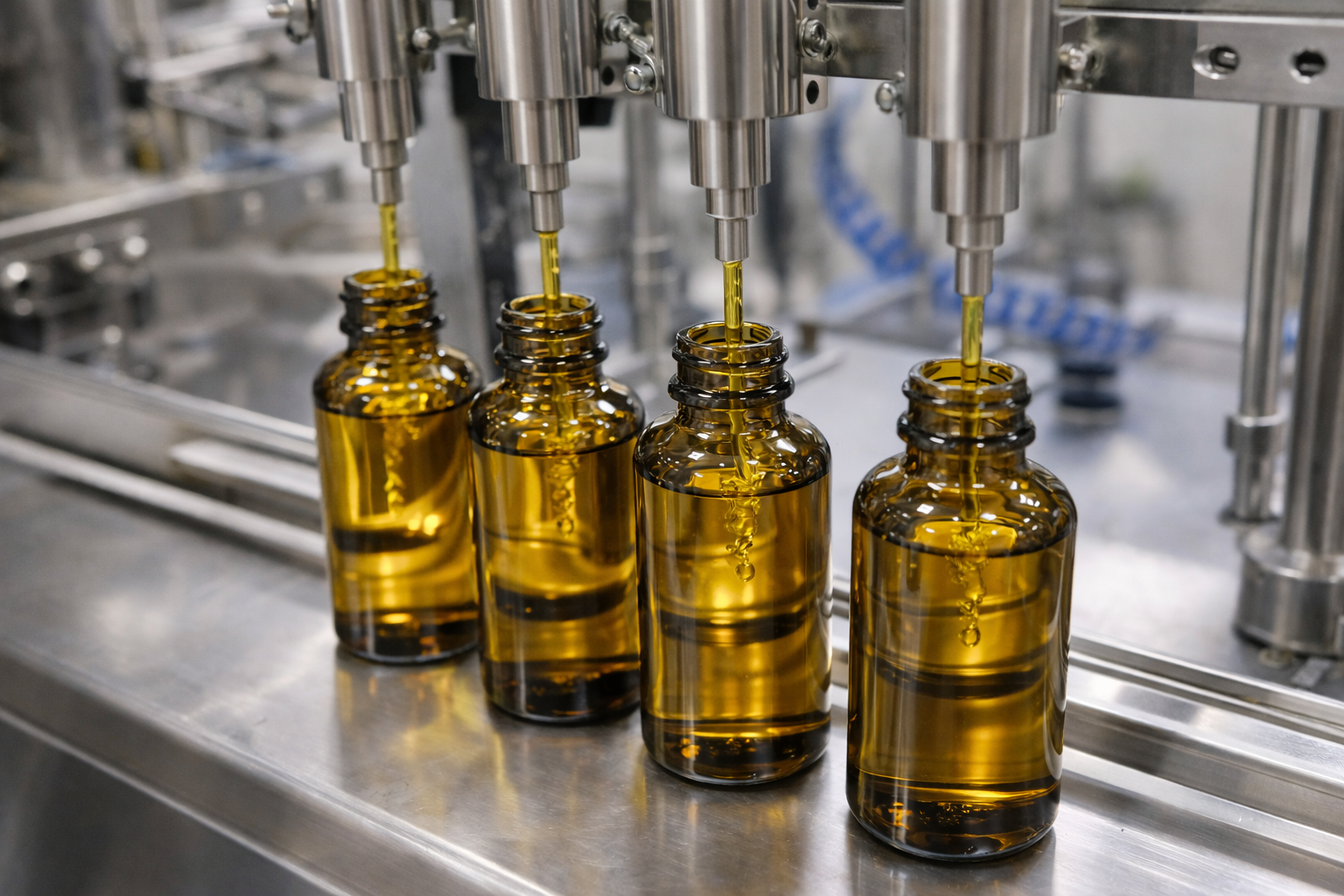
For serum and oil based products, these controls are especially relevant. Small variations in batching, temperature, or handling can affect product consistency. GMP frameworks are designed to reduce that variability and provide traceability if issues arise.
Brands evaluating manufacturers often look beyond the certificate itself and assess how rigorously GMP principles are applied in daily operations.
GMP and custom formulation work
Custom formulation introduces additional complexity compared to stock formulas. Changes to ingredients, processing steps, or packaging configurations must be documented and controlled to avoid downstream issues.
Manufacturers operating within established GMP systems are generally better equipped to manage these changes without losing visibility or introducing delays. Buyers often evaluate how formulation revisions are tracked, approved, and communicated across teams.
This becomes increasingly important as brands iterate formulas during sampling and move toward commercialization.
Impact on timelines and scale readiness
One of the most practical reasons GMP certification matters in 2025 is its effect on timelines. Manufacturers with mature GMP systems tend to have clearer production scheduling, fewer last minute surprises, and more predictable lead times.
As brands plan launches or retailer submissions, predictability becomes a key decision driver. GMP aligned processes support smoother transitions from pilot runs to commercial production, reducing the risk of rework or missed delivery windows.
Documentation and downstream requirements
Beyond production itself, GMP systems influence the quality and availability of documentation. Brands selling through retail, professional, or international channels often require batch records, certificates of analysis, and audit readiness.
Manufacturers without GMP infrastructure may struggle to produce this documentation consistently, creating delays later in the commercialization process. Buyers increasingly factor this into partner evaluation, even if immediate documentation needs are limited.
Common misconceptions during evaluation
A common misconception is that GMP certification automatically equates to a better manufacturing partner. In practice, certification sets a floor, not a ceiling.
Buyers still need to evaluate communication, technical capability, and alignment with their product category. However, in 2025, GMP certification has become a minimum expectation rather than a differentiator.
Closing synthesis
When evaluating manufacturers in 2025, GMP certification serves as an early risk filter rather than a final decision point. It indicates whether a partner has the systems in place to support consistent production, controlled growth, and evolving compliance requirements.
For brands sourcing custom serums and oils, GMP alignment reduces uncertainty across formulation, production, and scale. As buyer expectations continue to rise, manufacturers without these systems are increasingly difficult to justify as long term partners.
Share this post
Latest posts
Expert insights on private label and custom manufacturing for brands planning their next product launch or scale up.