How to Choose a US Manufacturer for Custom Serums and Oils
A practical decision guide for brands evaluating US cosmetic manufacturers for custom serum and oil production, focused on formulation, operations, and scale readiness.

A practical decision guide for brands evaluating US cosmetic manufacturers for custom serum and oil production, focused on formulation, operations, and scale readiness.
Brands evaluating manufacturers for custom serums and oils are typically past early concept validation. At this stage, the focus shifts from formulation ideas to execution risk. Decisions are driven by whether a manufacturer can reliably produce, scale, and support a liquid or oil based product without introducing delays, reformulation issues, or compliance exposure.
Serums and oils present a distinct set of manufacturing considerations compared to creams or emulsions. Viscosity control, ingredient solubility, batch consistency, and packaging compatibility all factor into partner selection. Brands entering this phase are often comparing multiple US cosmetic manufacturers to determine which partner aligns best with their operational and product goals.
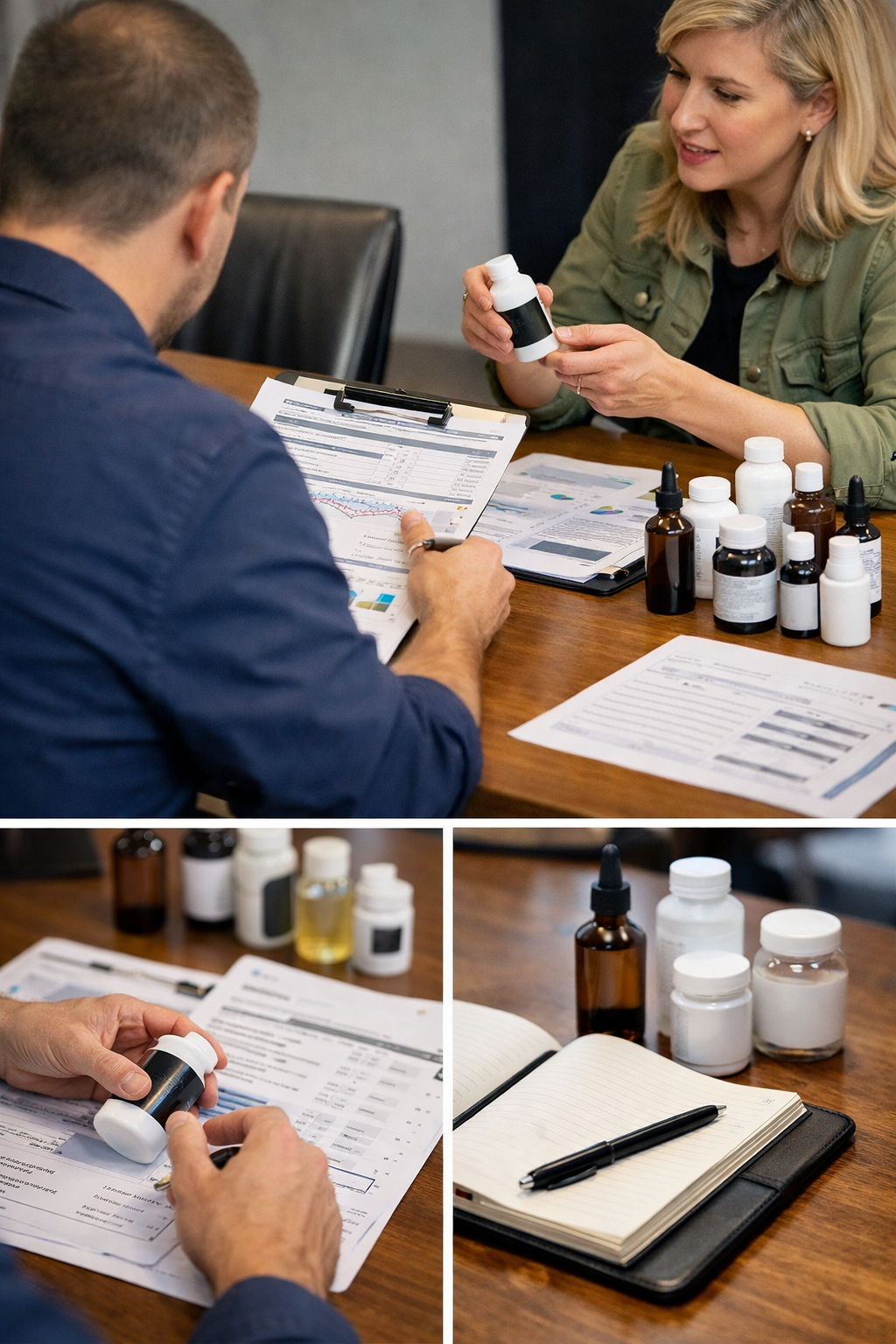
Most brands begin by assessing whether a manufacturer has direct experience with serum and oil formats rather than general cosmetic production. Experience matters because these formats behave differently during batching, filling, and stability testing. A facility that primarily produces creams or lotions may still accept oil based projects, but that does not guarantee consistent outcomes.
Buyers also evaluate whether the manufacturer supports custom formulation or primarily offers stock bases with minor modifications. This distinction affects differentiation, intellectual property ownership, and long term scalability.
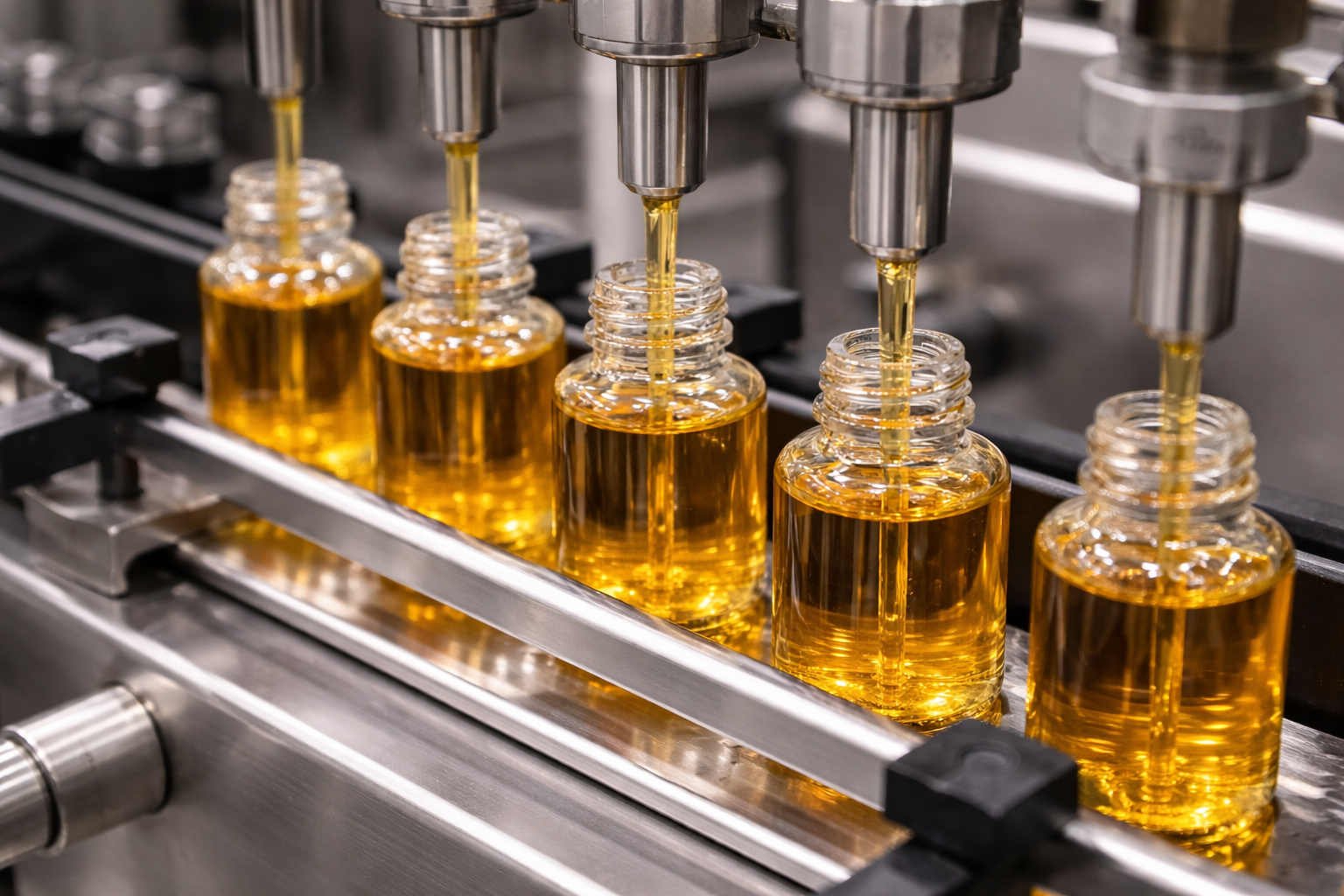
Custom serum and oil projects typically require decisions around carrier systems, active dispersion, and sensory attributes. Manufacturers vary in how much flexibility they allow at this stage.
Some partners rely heavily on pre existing formulas to control risk and throughput. Others support ground up formulation development with in house technical teams. The latter approach can introduce longer upfront timelines but often results in better alignment with brand positioning and ingredient requirements.
Brands should assess how formulation changes are handled once sampling begins and whether revisions trigger delays, additional costs, or minimum order increases.
Ingredient sourcing is a critical evaluation point for serum and oil products due to the concentration and visibility of inputs. Oils and extracts are often central to the product story, which increases scrutiny around origin, quality, and documentation.
Manufacturers differ in whether they source ingredients internally, through approved vendor networks, or rely on brand supplied materials. Each model carries different implications for lead times, documentation consistency, and cost control.
Buyers typically look for clarity around how ingredients are qualified, what documentation is available, and how substitutions are managed if supply constraints arise.
Serums and oils are sensitive to batch size changes. Scaling a formula from pilot to commercial production can alter mixing dynamics, temperature control, and fill accuracy.
Manufacturers should be evaluated on their ability to support small initial runs without forcing early scale commitments. Brands often prioritize partners that can accommodate test launches while maintaining a clear path to higher volume production.
Batch tracking, lot control, and quality checkpoints are also central to this evaluation, particularly for brands selling through retail or professional channels.
Packaging decisions are closely tied to manufacturing capabilities. Dropper bottles, pumps, and specialty closures all require specific filling tolerances and handling procedures.
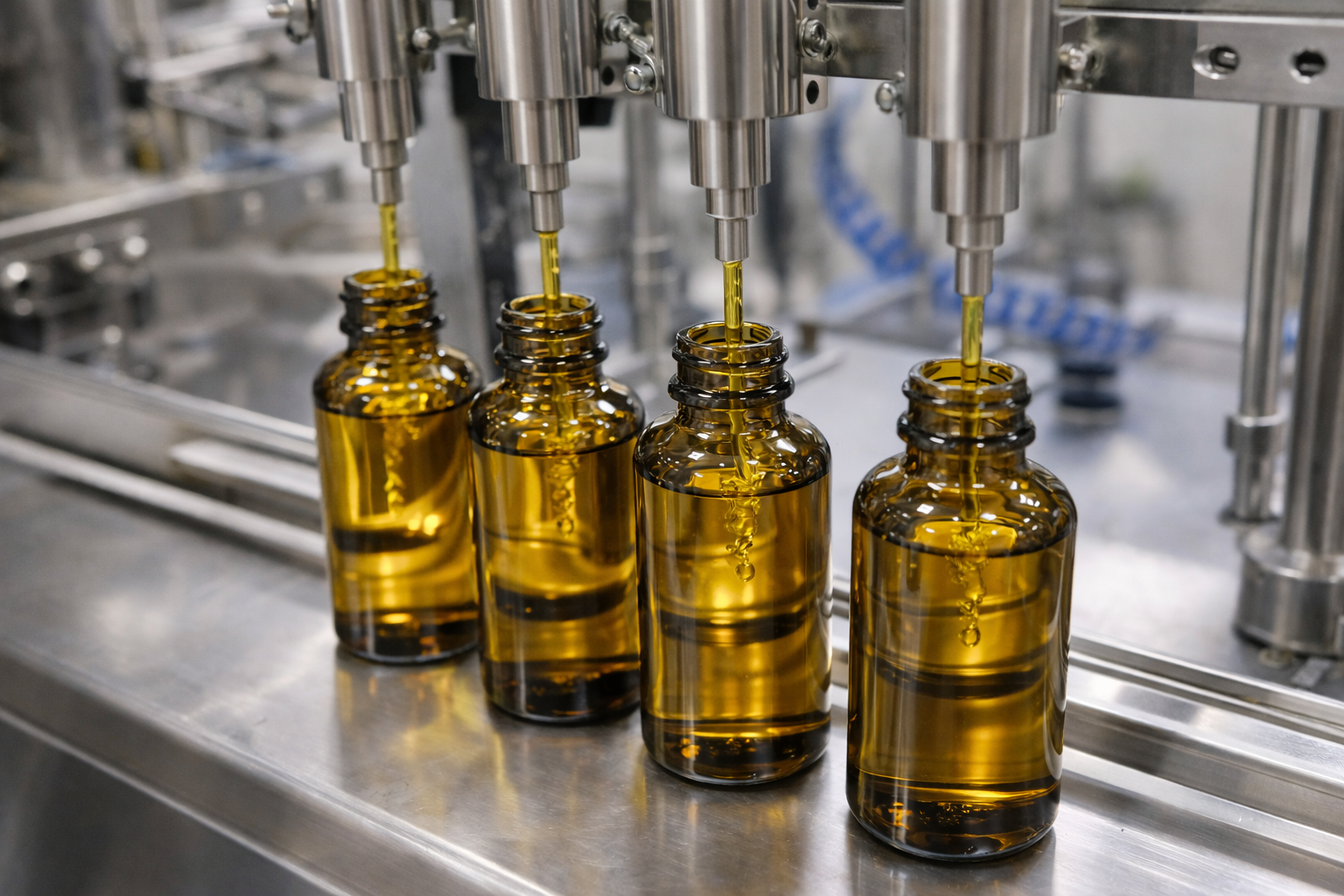
Some manufacturers outsource filling or limit the types of packaging they support for oil based products. Others maintain in house filling lines calibrated for low viscosity liquids.
Buyers typically evaluate whether packaging testing is conducted during sampling and how packaging changes affect production timelines.
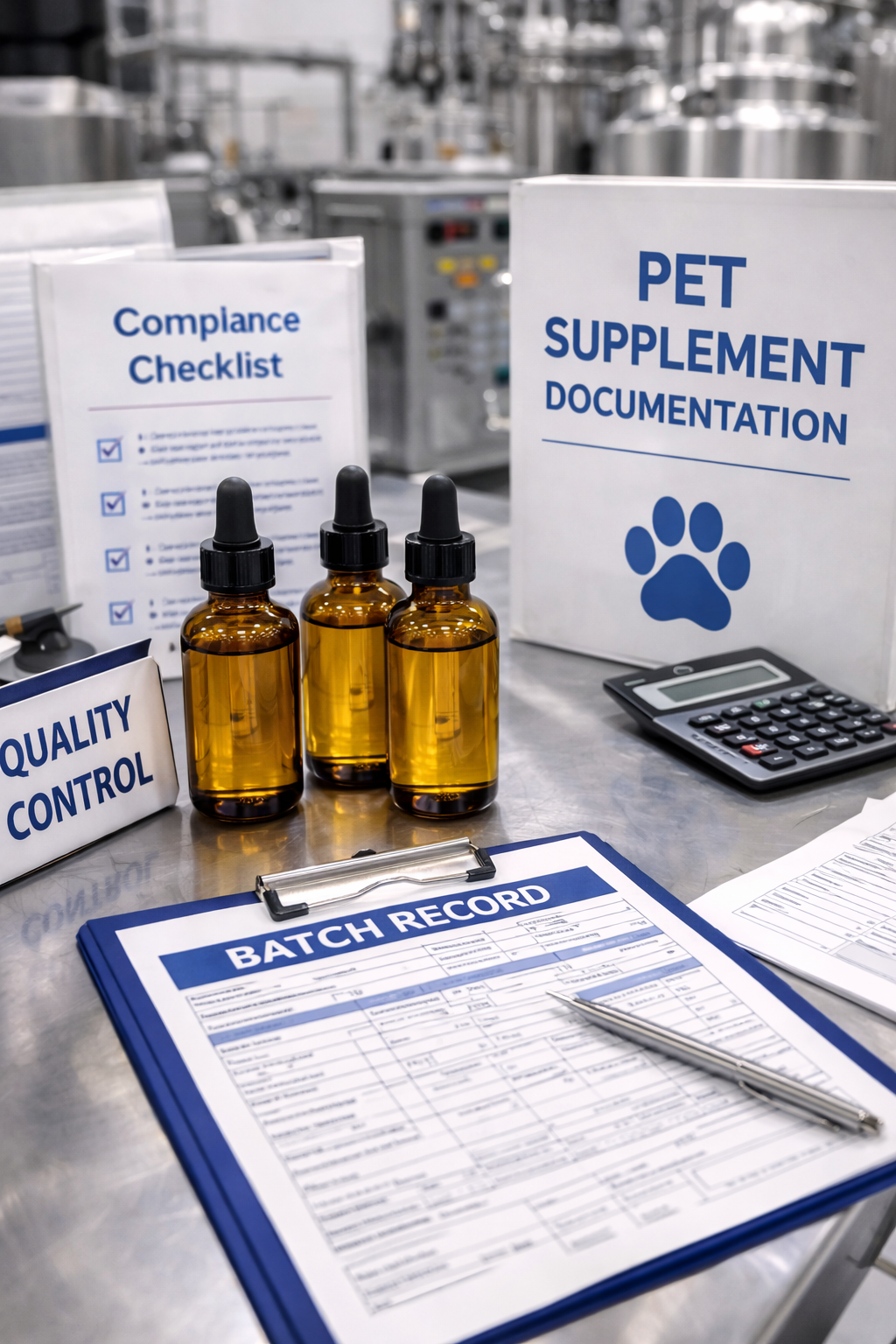
While serums and oils are cosmetic products, they still require accurate documentation, labeling alignment, and production records. Brands sourcing US manufacturers often expect facilities to operate under established quality systems and provide supporting documentation without extensive back and forth.
Differences often emerge in how proactive a manufacturer is in flagging potential issues related to ingredient usage, labeling language, or market specific requirements.
Many manufacturing relationships encounter friction when expectations are not aligned early. Common issues include assumptions around formulation ownership, underestimating lead times for custom oils, and misunderstanding minimum order thresholds.
Brands also encounter challenges when manufacturers accept projects outside their core expertise, leading to reformulation cycles or inconsistent batches.
Choosing a US manufacturer for custom serums and oils is less about finding the lowest cost option and more about aligning operational realities with product intent. Brands that evaluate formulation flexibility, ingredient handling, batch control, and packaging compatibility early tend to reduce downstream friction.
At this stage of sourcing, the most effective manufacturers are those whose processes, capabilities, and communication style align with how the brand plans to launch and scale its product.
Partner with Innovative Labs to develop your next best-selling formulation.