Why Most Pet Brands Outgrow Their First Manufacturer
This article is written for pet care brands producing supplements or topical products that are evaluating a manufacturing switch. It explains why early stage manufacturing partnerships often become misaligned as brands scale and where operational, formulation, and compliance friction typically emerges. The content helps buyers identify common inflection points that signal it may be time to reassess manufacturing fit. It is intended for decision makers seeking clarity before engaging new manufacturing partners.
Share this post
Brands evaluating a manufacturing switch are rarely reacting to a single failure. More often, the decision comes after incremental friction compounds across operations, formulation, and growth planning. For pet care brands producing supplements or topical products, the first manufacturing partner often supports early market entry but becomes misaligned as the brand scales.
Where brands typically are in the buying process
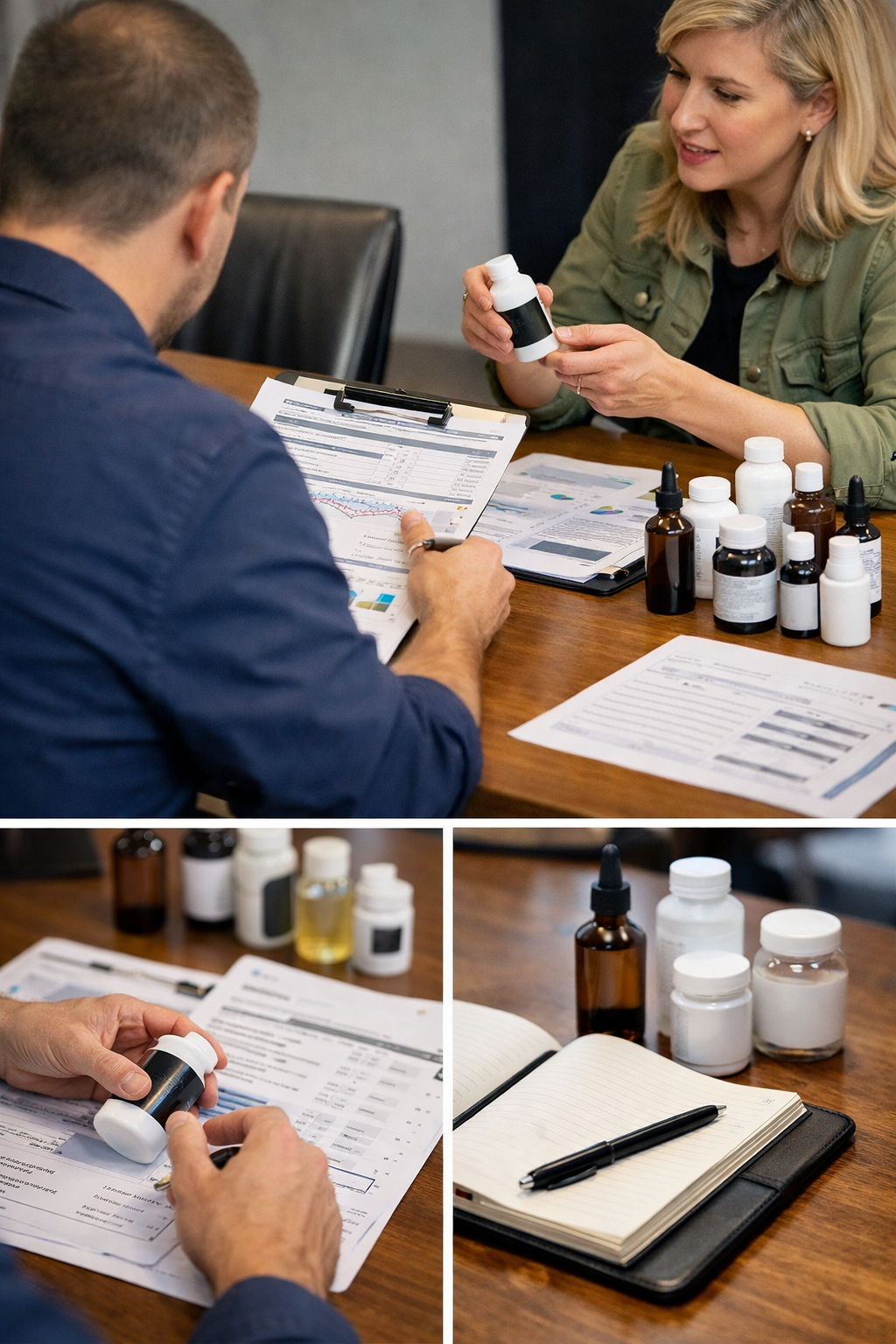
At this stage, internal teams are no longer asking whether the product works in the market. The focus has shifted to whether the current manufacturer can support growth without introducing operational risk. The evaluation is about fit, scalability, and long term alignment rather than speed to first launch.
What buyers typically evaluate first
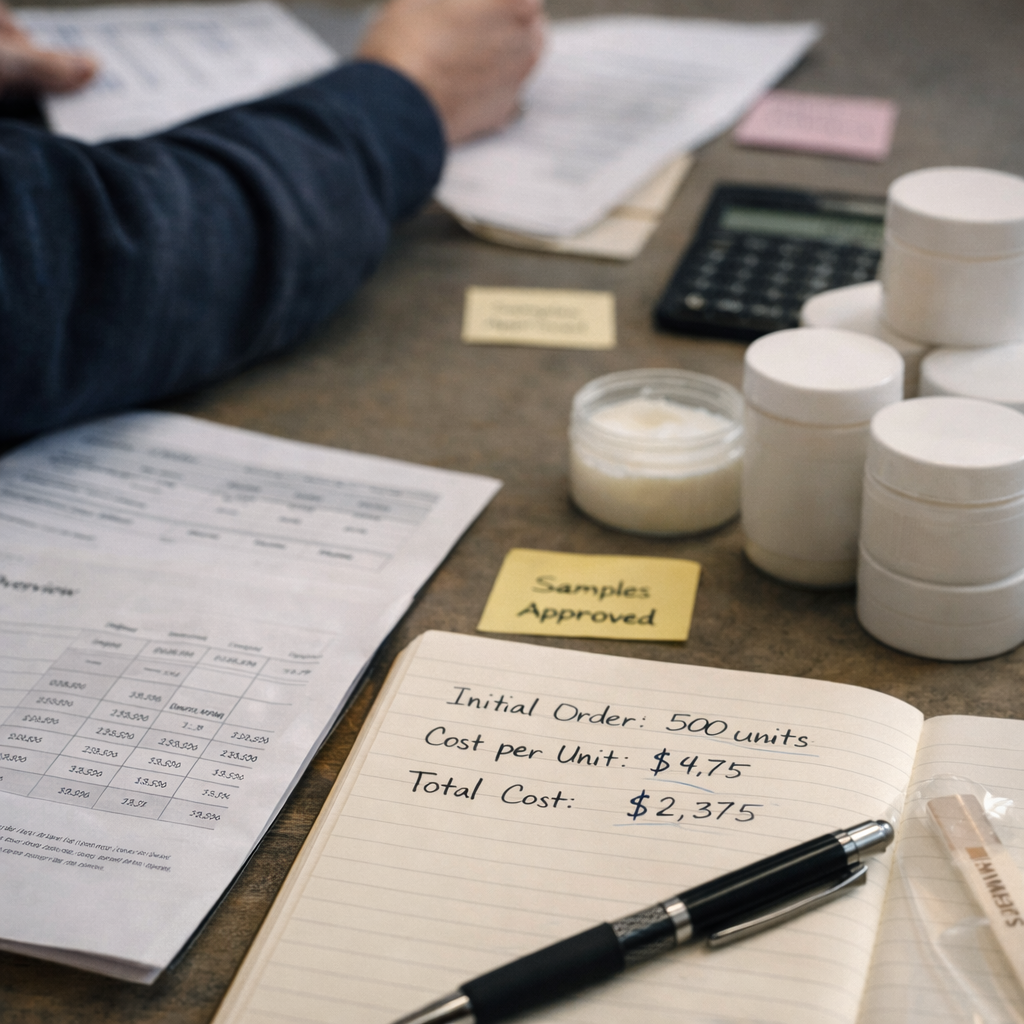
The initial trigger is usually operational strain. Lead times begin extending beyond forecasted demand. Minimum order quantities no longer match inventory planning. Communication shifts from collaborative to transactional. These signals prompt internal conversations about whether the current manufacturer can support the next stage of growth without introducing friction.
Product consistency is another early indicator. As volumes increase, batch to batch variability becomes more noticeable, particularly in liquid supplements and botanical based formulations. Buyers begin scrutinizing documentation, quality controls, and repeatability rather than just cost per unit.
Where early stage manufacturing partnerships break down
Many pet brands launch with manufacturers optimized for speed and simplicity rather than scalability. These partners are effective for proof of concept SKUs but often lack depth in formulation support, ingredient sourcing, or regulatory readiness as the product line expands.
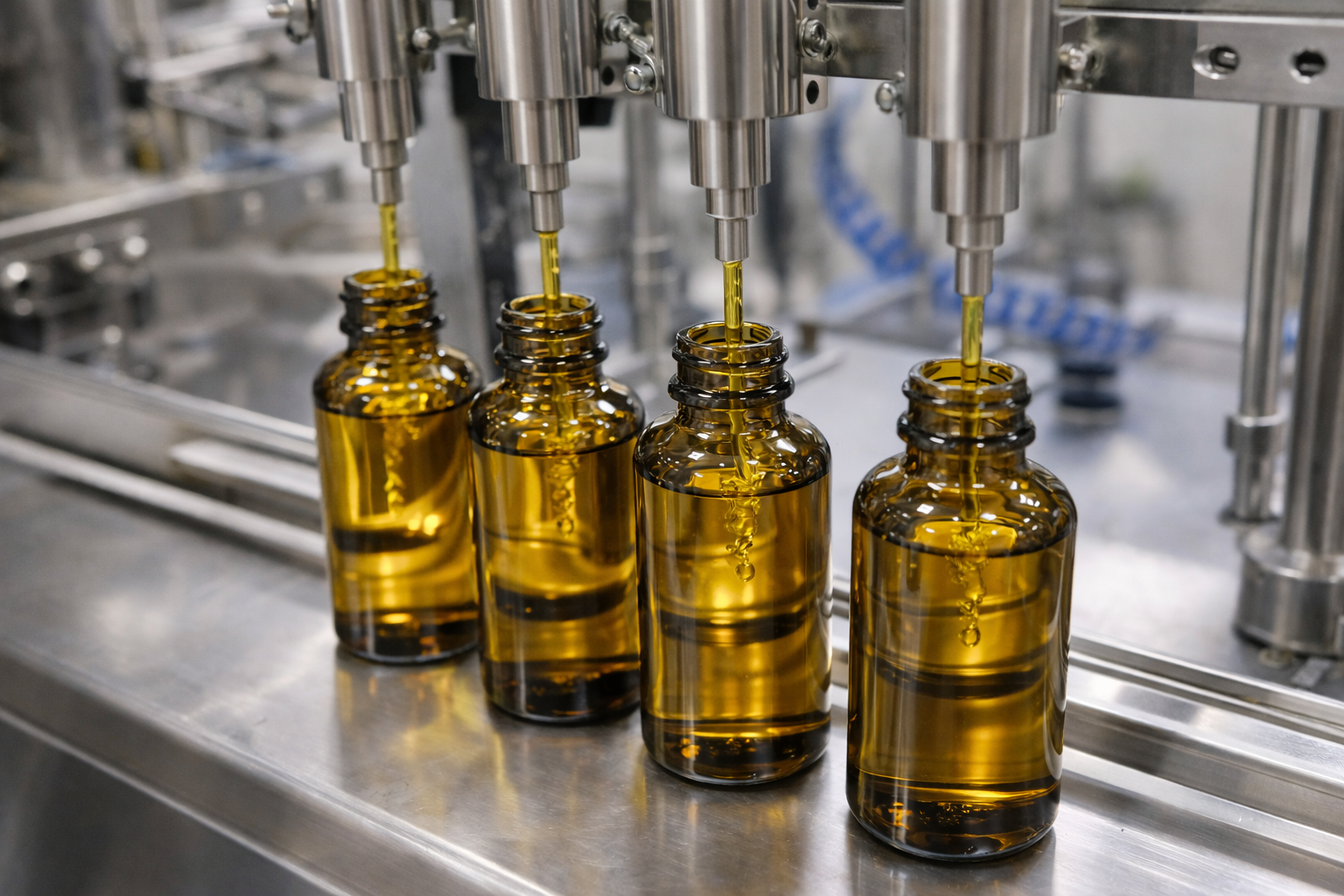
Misalignment commonly appears when brands attempt to introduce additional formats such as new liquid delivery forms or complementary topical products. Manufacturers with limited botanical experience or narrow equipment capabilities struggle to support these extensions without outsourcing or reformulation compromises.
Operational constraints that limit growth
As order volumes increase, operational limitations become more visible. Production schedules that once felt flexible begin creating bottlenecks. Change requests take longer to process. Packaging options remain fixed despite evolving brand positioning.
Buyers also reassess how much visibility they have into the manufacturing process. Limited access to specifications, testing protocols, or ingredient traceability creates friction for brands operating in regulated pet wellness categories where transparency is increasingly expected by retail partners and consumers.
Formulation and regulatory considerations for pet products
Pet care products operate within a complex regulatory environment. As brands grow, claims language, ingredient sourcing, and safety documentation receive more scrutiny. Manufacturers without in house regulatory or formulation support often push responsibility back onto the brand, increasing internal workload and compliance risk.
Brands seeking to refine formulas or introduce differentiated botanical profiles frequently encounter resistance from manufacturers unwilling or unable to collaborate beyond standard recipes. This lack of formulation partnership becomes a decisive factor when evaluating alternatives.
What a scalable manufacturing partner provides
Manufacturers aligned with scaling pet brands operate differently. They support low and mid volume production while maintaining infrastructure for growth. They offer formulation collaboration rather than fixed menus. Documentation, testing, and traceability are integrated into the process rather than treated as add ons.
Equally important, these partners understand how pet products differ from human wellness manufacturing. Ingredient selection, safety standards, and functional positioning require specialized knowledge that general manufacturers often lack.
Closing perspective for brands considering a switch
Outgrowing a first manufacturer is not a failure. It is a predictable stage in the lifecycle of a successful pet brand. The decision to switch is less about correcting past choices and more about aligning future growth with a partner capable of supporting it.
For brands actively evaluating new manufacturing relationships, clarity comes from identifying where current constraints intersect with future plans. The right partner reduces friction across operations, formulation, and compliance, allowing internal teams to focus on brand development rather than manufacturing workarounds.
Share this post
Latest posts
Expert insights on private label and custom manufacturing for brands planning their next product launch or scale up.