Pet Supplement Manufacturing in the US: Compliance, Safety, and Documentation Explained
Evaluating a pet supplement manufacturer in the US requires more than confirming production capability. Brands must assess how compliance, safety protocols, and documentation practices are handled throughout formulation, manufacturing, and post production support. This article breaks down the regulatory considerations that matter most when sourcing a US based pet supplement partner, including ingredient oversight, batch traceability, and audit readiness. It is written for pet care brands that need confidence their manufacturing partner can support retail, veterinary, or direct to consumer growth without introducing compliance risk or documentation gaps.
Share this post
Brands sourcing pet supplement manufacturers are rarely starting from zero. Most are already aware that pets are regulated differently than human dietary supplements, yet expectations around safety, documentation, and manufacturing rigor continue to rise. In 2025, regulatory assurance has become a primary decision driver when evaluating US based pet supplement manufacturers.
For pet care brands producing liquid supplements or topical products, manufacturer selection is closely tied to how risk is managed across formulation, production, and record keeping. The ability to demonstrate compliance and maintain consistent documentation often determines whether a brand can scale confidently across retail, veterinary, or direct to consumer channels.
What buyers typically evaluate first
Brands evaluating pet supplement manufacturers often begin with facility status and operational controls. US based manufacturing is frequently prioritized due to regulatory familiarity, inspection standards, and documentation expectations.
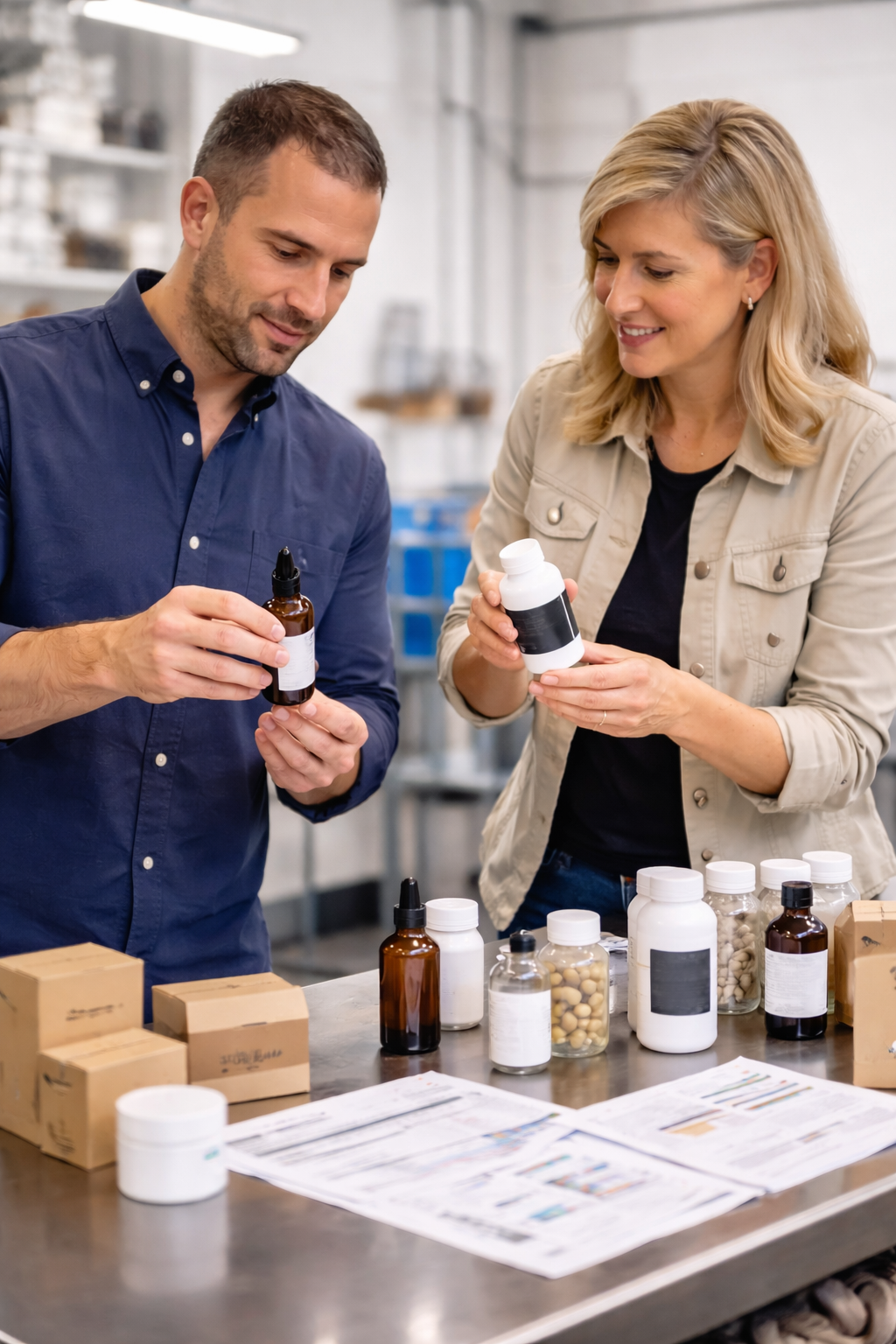
Beyond location, buyers assess whether the manufacturer operates under established quality systems and how those systems apply specifically to pet products. This includes ingredient qualification, batch tracking, and production controls that account for pet safety considerations.
Regulatory landscape for pet supplements
Pet supplements in the US are regulated differently than human dietary supplements. Oversight typically falls under animal feed and pet product regulations rather than FDA dietary supplement frameworks.
Manufacturers vary significantly in how well they understand and apply these requirements. Buyers often look for partners who can clearly articulate how formulations, labeling, and production practices align with current pet supplement regulations without ambiguity.
Ingredient safety and suitability
Ingredient selection carries additional scrutiny in pet products. Botanicals, carriers, and excipients commonly used in human supplements may not always be appropriate for pets or for specific species.
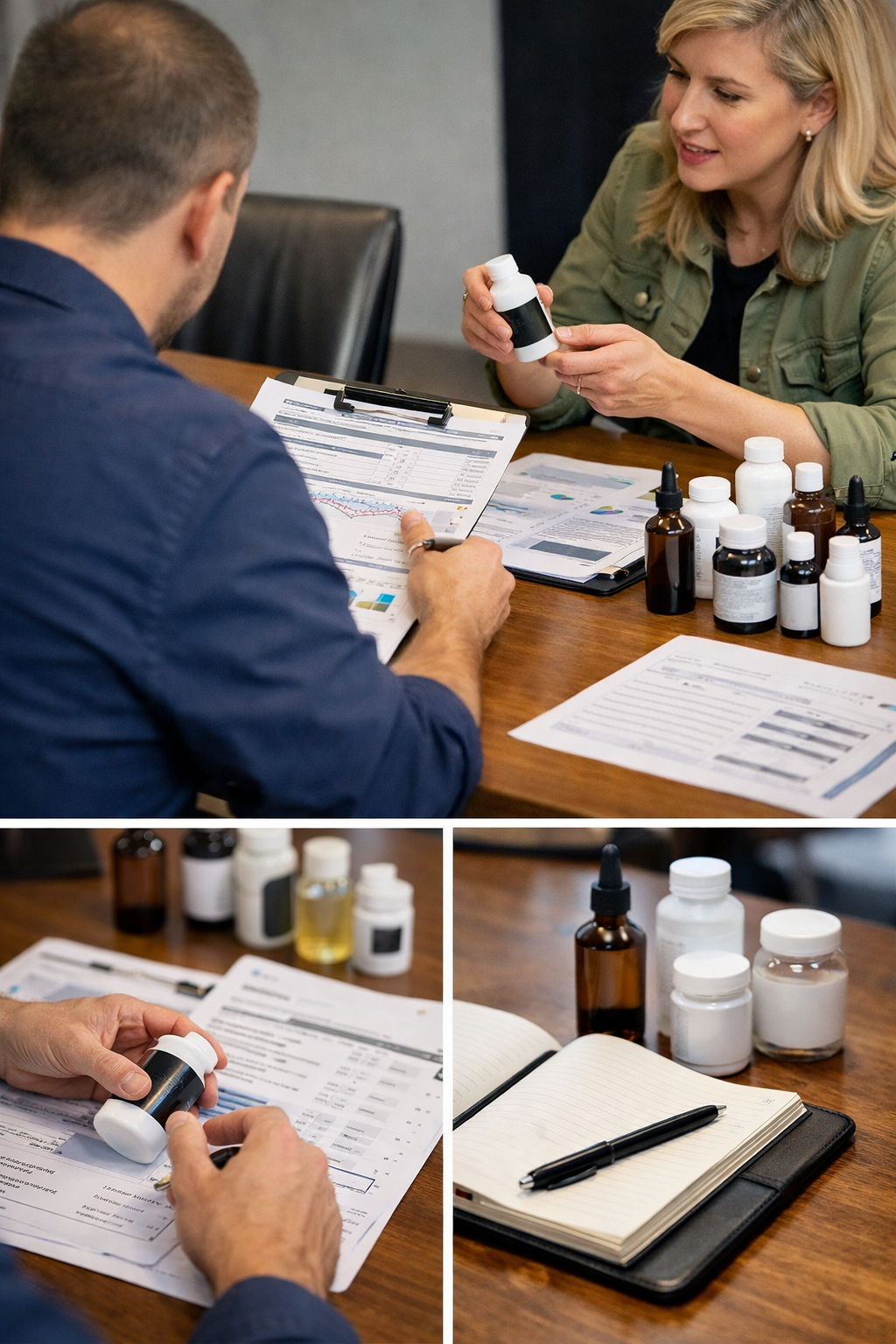
Manufacturers are often evaluated on how ingredient safety is assessed, documented, and reviewed before formulation begins. Brands frequently prioritize partners who can provide supporting documentation and demonstrate familiarity with pet specific considerations rather than relying on assumptions drawn from human use cases.
Manufacturing controls and batch traceability
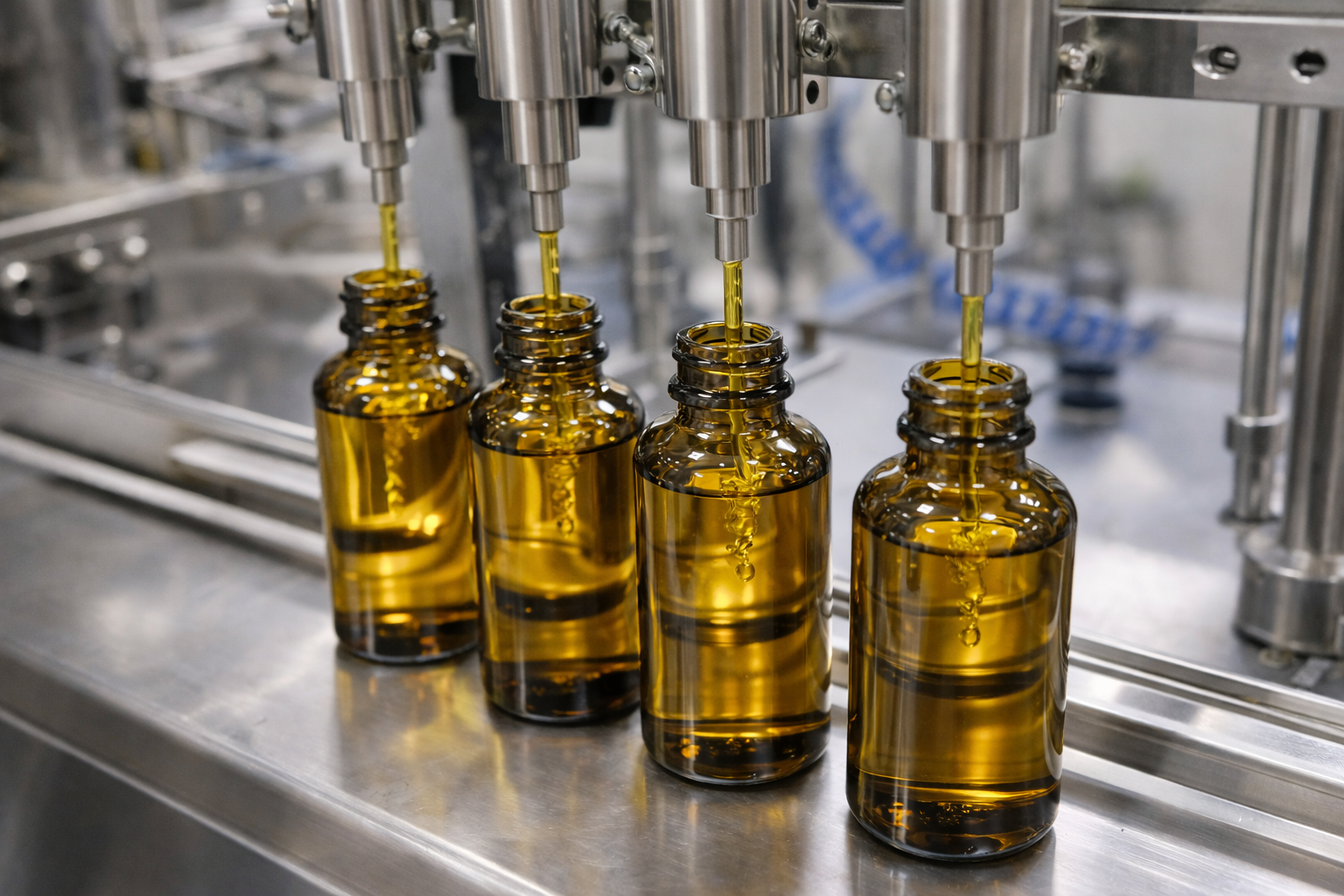
Consistent batch control is a critical evaluation factor for pet supplements. Variability in concentration, mixing, or filling can create downstream issues, particularly for liquid products.
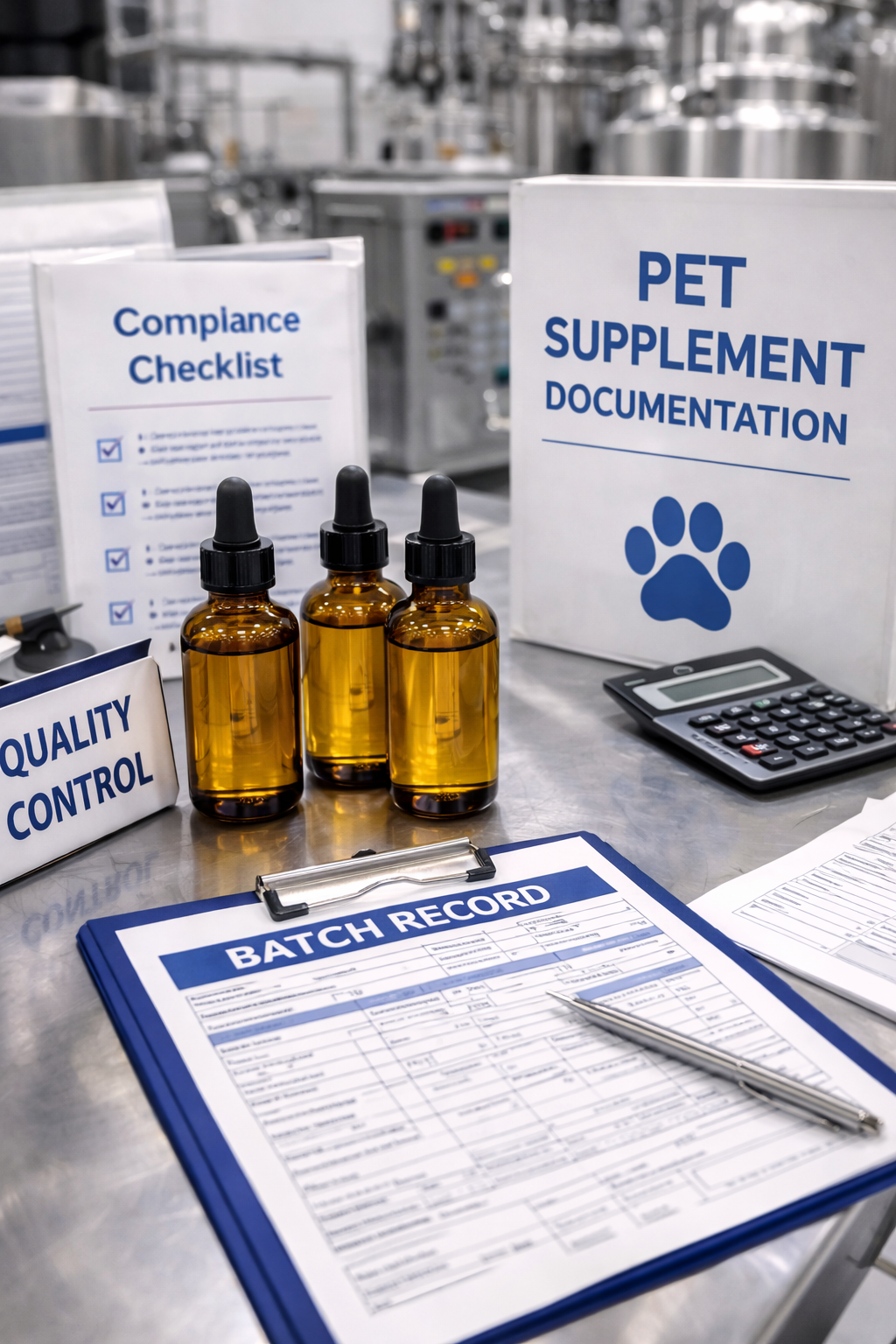
Buyers typically assess whether manufacturers maintain lot level traceability, clear batch records, and defined quality checkpoints throughout production. These controls become increasingly important as order volumes grow or distribution expands into regulated retail environments.
Documentation and audit readiness
Documentation is often where manufacturing partners differentiate themselves. Pet care brands frequently require batch records, certificates of analysis, and ingredient documentation to support internal quality reviews or external requests.
Manufacturers without established documentation practices may struggle to respond quickly to these needs, creating delays or added workload for the brand. Buyers increasingly factor documentation quality into early stage evaluations rather than treating it as a post production concern.
Common misalignment points
Misalignment often occurs when manufacturers treat pet supplements as a simplified extension of human products. This can lead to gaps in ingredient vetting, labeling assumptions, or insufficient documentation.
Brands also encounter issues when manufacturers lack experience supporting pet focused audits or retailer requirements, resulting in unexpected rework or clarification requests later in the process.
Closing synthesis
Pet supplement manufacturing in the US requires more than basic production capability. For brands evaluating partners in 2025, compliance systems, safety protocols, and documentation practices are central to long term viability.
Manufacturers that demonstrate regulatory awareness, ingredient discipline, and structured record keeping reduce uncertainty and support responsible growth. As buyer expectations continue to increase, these factors increasingly define which partners are considered credible and scalable.
Share this post
Latest posts
Expert insights on private label and custom manufacturing for brands planning their next product launch or scale up.